Understanding What Are Veneers: A Comprehensive Guide for Beginners
Everything about Veneers: Discover the Conveniences and Uses for a Glowing Smile
Veneers have come to be a popular remedy in aesthetic dentistry, recognized for their ability to boost smiles efficiently. These slim shells can resolve a series of dental blemishes, such as chips and discoloration. Recognizing the advantages, processes, and types associated with obtaining veneers is essential for any person considering this choice. What elements should one weigh prior to making such a decision? Exploring the information can expose whether veneers are the best selection for a glowing smile.
What Are Veneers?

The application procedure includes a dental expert eliminating a little quantity of enamel from the tooth to ensure an appropriate fit. When fastened, veneers can provide a natural look that carefully looks like actual teeth, making them a preferred choice among those aiming to accomplish a radiant smile. Additionally, veneers can add to the general toughness of the teeth, providing security versus more damages. Their versatility and performance make them a beneficial choice for enhancing both the feature and visual appeals of a person's dental profile.
Kinds of Veneers Available
There are 2 key sorts of veneers readily available for oral reconstruction: porcelain veneers and composite veneers. What Are Veneers. Porcelain veneers supply a natural-looking and durable service, while composite veneers provide a more economical choice with less complex application methods. Comprehending the differences in between these alternatives can help individuals make educated decisions regarding their dental aesthetics
Porcelain Veneers Review
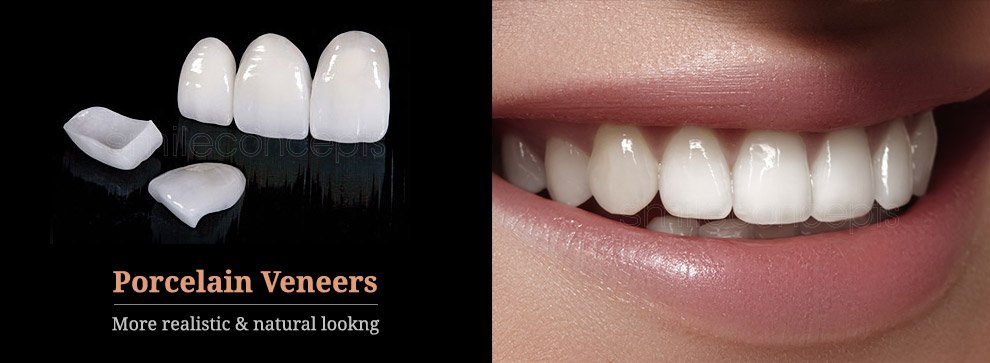
Porcelain veneers, a preferred selection in aesthetic dental care, supply a transformative service for people seeking to boost their smiles. These thin coverings are custom-crafted from top quality ceramic products, developed to bond perfectly to the front surface area of teeth. Their visual allure is remarkable; porcelain imitates the all-natural transparency of enamel, leading to a realistic look. Furthermore, porcelain veneers are highly sturdy, resistant to staining, and can effectively conceal concerns such as chips, spaces, or discoloration. The process generally involves very little tooth prep work, protecting a lot of the natural tooth framework. People commonly appreciate the long-lasting results, making porcelain veneers a popular choice for those wanting a confident and radiant smile while maintaining performance and oral health.
Compound Veneers Explained
Composite veneers act as an enticing alternative to porcelain alternatives, specifically for those seeking an extra economical service for smile improvement. Made from a tooth-colored resin, these veneers are used directly to the teeth, enabling quick changes during the treatment (Porcelain Veneers). The bonding process usually requires less tooth decrease contrasted to porcelain veneers, preserving more of the all-natural tooth framework. Compound veneers can successfully resolve problems such as discoloration, voids, and small misalignments. While they might not be as resilient or stain-resistant as porcelain, their affordability and convenience of application make them a preferred choice for several patients. Normal maintenance can assist assure long life, making composite veneers a feasible alternative for accomplishing a glowing smile
Benefits of Getting Veneers
While several people look for to enhance their smiles, veneers provide a transformative remedy that integrates visual allure with practical advantages. One substantial advantage of veneers is their capacity to remedy various oral flaws, such as discoloration, chips, and spaces. This can lead to a more uniform and pleasing appearance, improving confidence and boosting social interactions.
Additionally, veneers are extremely long lasting, usually lasting over a decade with appropriate care. They are stain-resistant, making them an attractive choice for those concerned about maintaining a bright smile. The procedure for applying veneers is normally minimally intrusive, maintaining even more of the natural tooth framework compared to various other aesthetic options.
Veneers can boost the performance of teeth, assisting in much better alignment and bite. Generally, the advantages of getting veneers prolong past plain looks, supplying people a comprehensive enhancement to their oral wellness and general top quality of life.
Typical Uses for Veneers
Aesthetic Enhancement Solutions
Cosmetic improvement solutions commonly make use of veneers to resolve a variety of dental flaws, boosting both appearance and self-confidence. These thin shells, normally made from porcelain or composite material, efficiently cover stained, tarnished, or misshapen teeth, giving a brighter, much more consistent smile. Veneers are also a preferred option for those with gaps between teeth, as they can create a seamless look without the requirement for orthodontic therapy. Additionally, individuals looking for to modify the form or dimension of their teeth can attain their wanted results through veneers, offering a non-invasive choice to much more extensive oral procedures. In general, veneers act as a efficient and flexible option for boosting aesthetic allure in aesthetic dental care.
Fixing Tooth Imperfections
Tooth blemishes can considerably influence an individual's self-worth and overall dental health. Veneers work as an effective solution for resolving different cosmetic problems, such as chips, fractures, and discoloration. These thin coverings of porcelain or composite material are tailor-made to fit over the front surface area of teeth, hiding problems and creating an extra uniform look. By efficiently masking flaws, veneers can restore confidence in one's smile, resulting in improved social communications and individual contentment. Additionally, they are resistant to spots and can offer a lasting option for those seeking a brighter smile. Overall, veneers offer a sensible option for individuals looking to improve their oral aesthetic appeals this website while resolving certain tooth imperfections.
Alignment and Spacing Adjustment
Although several people seek orthodontic therapies to attain a straight smile, veneers supply an alternate service for those with minor positioning concerns and spacing issues. These slim coverings made from porcelain or composite material can properly camouflage imperfections such as small voids in between teeth or mild imbalances. By adhering to the front surface area of the teeth, veneers produce the illusion of an extra uniform look without the demand for comprehensive orthodontic work. This makes them an attractive alternative for individuals seeking immediate results. Additionally, veneers can be customized to match the surrounding teeth, improving total visual appeals. As an outcome, they work as a versatile device in cosmetic dental care, offering patients with a brighter, a lot more aligned smile.
The Refine of Getting Veneers
The trip to accomplishing a glowing smile typically begins with the careful process of getting veneers. An appointment with an oral expert is vital. During this visit, the dental practitioner evaluates the patient's dental wellness and discusses aesthetic objectives. If veneers are deemed suitable, the next action involves tooth prep work, where a slim layer of enamel is eliminated to ensure a proper fit. Impacts of the teeth are then taken, often gone along with by electronic imaging to make the custom veneers.
As soon as the veneers are crafted, typically in a dental laboratory, a follow-up consultation is scheduled for placement. The dental professional checks the fit and color prior to permanently bonding the veneers to the teeth utilizing a specialized adhesive. Ultimately, any kind of changes are made to make sure convenience and look. This all-inclusive process finishes in a changed smile, improving both appearances and confidence for those seeking oral improvement.
Maintenance and Look After Veneers
Veneers call for attentive upkeep and like assure their longevity and appearance. Regular oral examinations are crucial, as an expert can examine the condition of the veneers and surrounding teeth. Daily oral hygiene methods, consisting of cleaning and flossing, need to be preserved to stop plaque accumulation and gum disease. It is recommended to utilize a non-abrasive toothpaste to prevent damaging the veneer surface area.
Furthermore, people ought to be cautious with their diet. Sticky or hard foods can damage veneers, so small amounts is crucial. Staying clear of cigarette and excessive intake of tarnishing materials like coffee or red white wine can likewise assist protect their look. Wearing a mouthguard throughout sporting activities or grinding can protect veneers from possible cracks. By adhering to these care standards, people can appreciate the visual benefits of veneers while guaranteeing their sturdiness and functionality for several years to come.
Are Veneers Right for You?
Wondering if veneers are the right remedy for one's dental problems? Individuals thinking pop over to these guys about veneers ought to assess their certain dental problems, such as stained, damaged, or misaligned teeth. Veneers are particularly beneficial for those looking for a quick aesthetic improvement without comprehensive orthodontic treatment. Candidates generally have good dental wellness and enough enamel, as the application procedure includes a minimal decrease of tooth framework.
Nevertheless, individuals with severe oral problems or gum condition may need different treatments. It's additionally vital to keep in mind that veneers call for a commitment to dental hygiene and normal dental check outs. Prospective patients must seek advice from a dental expert to discuss their goals, examine the problem of their teeth, and recognize the prospective risks and benefits. Ultimately, the decision for veneers need to line up with one's lasting dental health and wellness purposes and way of living preferences, making sure that they are a ideal and sustainable choice.
Regularly Asked Inquiries
How Much Time Do Veneers Normally Last?
Veneers generally last between 10 to 15 years, depending on factors such as dental health, way of life options, and the products used. Normal oral examinations can help maintain their longevity and total look.
Can Veneers Be Fixed if Damaged?
Yes, veneers can be fixed if harmed. Dental professionals commonly use bonding materials or change the veneer totally, depending upon the degree of the damage, making certain the restoration maintains the aesthetic charm and feature of the initial veneer.
Are Veneers Suitable for Children or Teens?
Veneers are typically not suggested for kids or teens as a result of their developing teeth and jaws. Dental experts typically suggest waiting until adulthood when the teeth are fully formed for optimal outcomes and longevity.
Do Veneers Require Anesthetic During Application?
Veneers commonly do not need anesthesia during application, as the procedure his explanation is typically minimally invasive. However, some people may experience level of sensitivity, triggering the dentist to advise local anesthetic for added comfort during the process.
Can I Whiten My Teeth if I Have Veneers?
Teeth bleaching items do not impact veneers, as they are not porous. Nevertheless, people with veneers may consider professional cleaning or replacement options to achieve a consistent shade with their all-natural teeth, if needed.
There are two main kinds of veneers offered for dental reconstruction: porcelain veneers and composite veneers. Porcelain veneers provide a durable and natural-looking service, while composite veneers supply a more economical option with easier application techniques. The bonding process normally requires less tooth decrease contrasted to porcelain veneers, protecting more of the natural tooth structure. Additionally, people seeking to modify the form or size of their teeth can accomplish their desired results through veneers, using a non-invasive option to extra comprehensive dental treatments. People thinking about veneers should evaluate their particular dental issues, such as discolored, damaged, or misaligned teeth.